PET SHOP PETS SOS
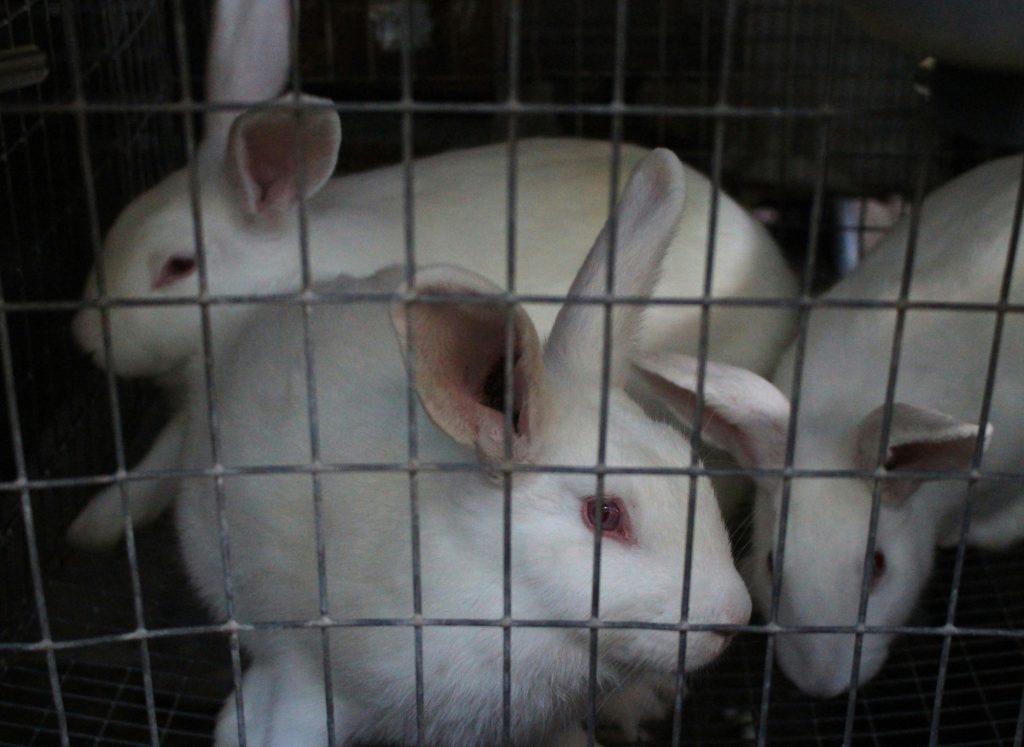
Pets shops won’t all agree to stop selling animals immediately, but there are a few things you can do in the meantime to help the animals still stuck in cages. The idea here it just to help the animals in the short term, while we work on getting animal trading in pet shops banned altogether. We are not enabling the abuse to continue, but we can’t turn a blind eye if we see an animal that needs our help.
The staff at pet shops are often not clued up on the most basic needs of the pets that they sell. Animals are housed incorrectly in the shop, often causing health issues, eg. rats living in sawdust which causes respiratory problems. Small animals like rats, hamsters and bunnies are not sexed correctly, increasing the chances of your buying an already-pregnant animal. Some of this is actual ignorance, but often they really just don’t care as long as they are making money off selling animals.
REPORT NEGLECT
Point out obvious neglect or oversight to the pet shop staff. Check that animals have water, food, shelter from heat or cold, space to move around in etc. Wait to check if this is rectified — check that they actually fill up the waterbowls!
Take (discreet) photos of the conditions, and if they fall short of the SPCA’s regulations (see section 13) report them to the SPCA here. The SPCA will do an inspection, and hopefully make sure that living conditions are improved, which will help the animals in the short term at least.
If possible, go back to the pet shop a few days later and check if improvements are permanent. Report them again if things haven’t improved. Don’t feel bad about this. You’re not there to make friends.
RESIST THE URGE TO “RESCUE” THE ANIMALS THAT YOU FEEL SORRY FOR BY BUYING THEM! This is counterproductive. Here is a reminder why you should NOT buy an animal from a pet shop.
GIVE (UNSOLICITED) ADVICE
Ask owners or staff if they have any insert-animal-here care guides available for new pet owners. If not, ask them if you can drop some off, or e-mail them a copy to print at the shop. They should not be selling animals at all, but while they are, it may help to get the animals some better care when bought by first-time “owners”. Click here for some printable care sheets.
Not everyone does extensive research before deciding on a new pet, especially not when it’s an impulse buy. One can definitely not rely on the pet shops to give the best advice. They are likely to only recommend the products they sell, even if it’s the incorrect food, or a tiny cage for a hamster, for example.
Note: This may be met with some hostility by the owners if they really don’t care, but hopefully the staff will be more receptive. Be polite. You want to help the animals so it’s not worth antagonising anyone at this stage.